by Emily Belknap
We moved to 40th Street with a new baby in the summer 2020. Wasps hovered around the backyard with a sense of menace that mirrored the fears around social distancing and disease. They aggressively guarded their nests near our doors and windows. In the basement, we found can after can of wasp spray left from the previous owners. I was so anxious for my infant, having a keen, growing perception of a harsh world. I think my fears around the pandemic and having a new baby collided with a fear of stinging insects, a fear I never had before.
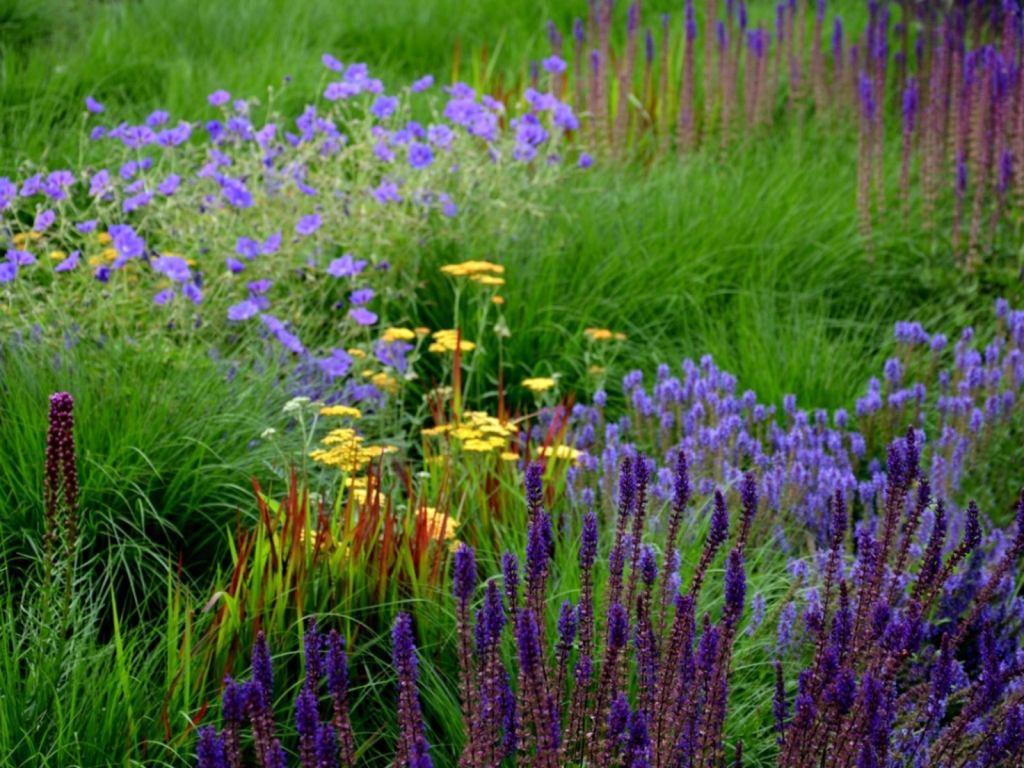
That fall we began to plant a prairie garden in our side yard: echinacea, coreopsis, yarrow, big and little bluestem. I’d fallen in love with this house partly for the large side-yard with a southern exposure. I knew it would be a great place for a garden with the protected climate of the valley. As the summer went on, we planted more: vegetable beds, small trees, more native perennials, raspberry canes and wild strawberries.
As the garden grew, our conflict with the wasps disappeared. We saw them, but we also saw other species of bees and wasps. The summer after that, our third, saw a full garden and not a single angry wasp. The wasps were still around, but were unconcerned with us. Now, they just have a lot more to do in our garden than hang around our doors and windows. Our theory is: the wasps are less aggressive because they have more to eat (They are predatory so our garden attracts lots more insects for them to prey on) and better habitat in our garden beds. My
daughter is almost 5 now. The fear I had that first summer is gone. We all watch the busy insects with great delight. Our vegetables and fruits have flourished, too.
Busy bees and wasps are not aggressive, and we need them desperately…Animals, mostly bees, pollinate 90% of all flowering plants on earth. Without them, not just humans, most animals would not survive. This fact struck me while reading Nature’s Best Hope by Douglas W. Tallamy. He describes a crisis well under way: since 1974, insect abundance has gone down by 45%.
I’ve noticed that oftentimes planting pollinator gardens with native plants is described as a zero sum game, that in sharing their land with wildlife, a property owner is sacrificing their real estate and potentially inviting pests. This is not my experience. We’ve found native plant species have made our garden safer and more inviting. As I introduce more and more plants to my garden, I
feel this place deepening and widening. The sun blasted lawn is gone, and we don’t miss it. It felt like an inhospitable zone for sun burns and wasp stings. Now we have a garden that blesses us with food, shade and communion with wildlife. Together with the wasps we are creating more room for the abundance of the world and my family as well.

 Valley Park Civic Association
Leave a comment